
Why Coconut Oil Is the Secret Behind Every Great Kerala Snack
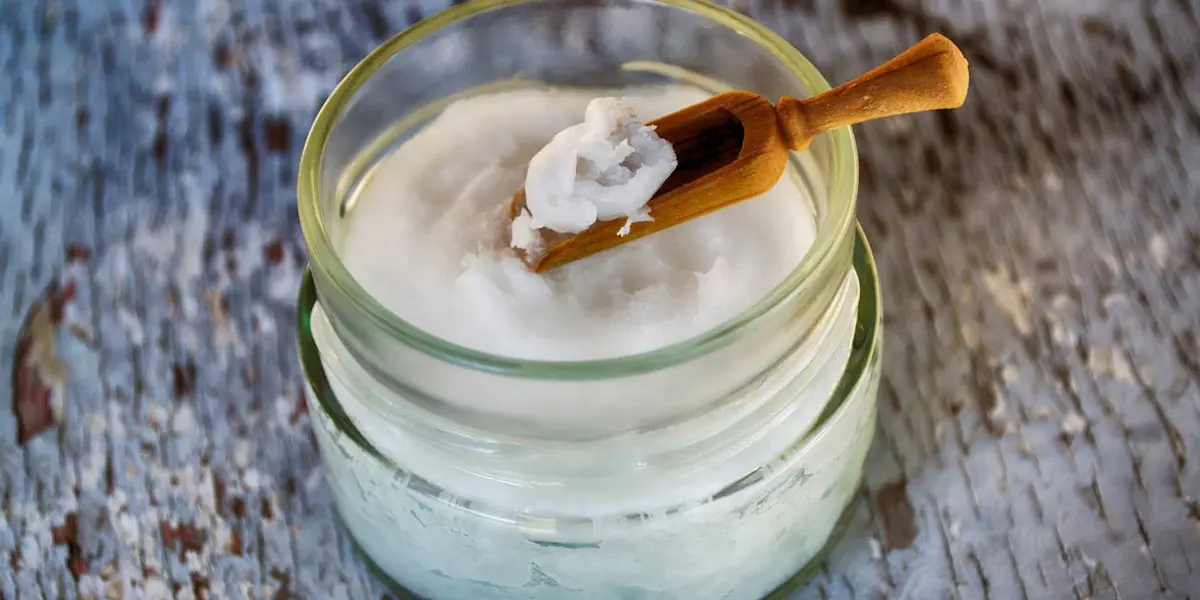
Cold-pressed coconut oil is not just a frying medium in Kerala — it is the soul of every snack. Here is why it matters, what makes it different, and how to spot the real thing.

Faaro Editorial
Editor
If you have ever tasted a freshly fried Kerala banana chip and wondered why it tastes nothing like the banana chips you find in a supermarket, the answer is almost always one thing: coconut oil.
In our comparison of banana chips and potato chips, we touched on why coconut oil frying is fundamentally different from vegetable oil frying. But coconut oil deserves its own story, because in Kerala, it is not just a cooking medium. It is a way of life.
Kerala and Coconut Oil: An Inseparable Relationship
Kerala's name literally contains the word for coconut. 'Kera' means coconut palm, and 'alam' means land. The Land of Coconuts. It is not a nickname — it is the state's identity.
There are over 900 million coconut palms in Kerala, covering nearly 40% of India's total coconut cultivation. Every part of the palm is used — the fruit for oil, milk, and flesh; the leaves for thatching; the trunk for timber; the coir for rope. But the oil is the crown jewel.
In a traditional Kerala kitchen, coconut oil is not one of several options. It is the only option. Rice is cooked with a teaspoon of coconut oil. Fish is fried in coconut oil. Vegetables are tempered in coconut oil. And snacks — banana chips, murukku, mixture — are always fried in coconut oil.
Cold-Pressed vs Refined: Not All Coconut Oil Is Equal
Cold-pressed (chekku enna / velichenna): Made by pressing dried coconut flesh (copra) at low temperatures without chemicals. Retains the full coconut aroma, flavour, and nutritional profile. This is what traditional Kerala cooking uses. The oil has a distinct, sweet, nutty fragrance that you can smell the moment the bottle opens.
Refined (RBD — Refined, Bleached, Deodorised): Copra is pressed with heat, then treated with chemicals to remove colour, odour, and free fatty acids. The result is a neutral, odourless oil. It is cheaper and has a higher smoke point, but it has lost most of what makes coconut oil special.
Virgin coconut oil: Made from fresh coconut milk (not dried copra) using cold-processing or fermentation. It has the lightest, most delicate coconut flavour. More expensive than cold-pressed, and rarely used for deep frying due to cost.
When we say Faaro snacks are fried in coconut oil, we mean cold-pressed coconut oil — the kind that fills the room with that unmistakable Kerala kitchen aroma. Not refined, not blended, not 'contains coconut oil among other oils.'
The Science: Why Coconut Oil Fries Better
We covered this in our banana chips vs potato chips breakdown, but it bears repeating because the science is genuinely compelling:
Oxidative stability: Coconut oil is 82% saturated fatty acids. Saturation means fewer double bonds, which means less oxidation when heated. Oxidation creates harmful compounds like aldehydes. Research published in Food Chemistry shows coconut oil produces significantly fewer aldehydes than sunflower oil during frying.
Zero trans fats: Trans fats form when unsaturated oils are heated repeatedly. Since coconut oil has very little unsaturated fat, trans fat formation is essentially zero.
MCT content: About 54 to 62% of coconut oil's fatty acids are medium-chain, including lauric acid (47 to 49%). MCTs are metabolised faster than long-chain fats and are less likely to be stored as body fat.
Flavour transfer: This is the part science papers do not cover but every Kerala cook knows. Coconut oil does not just fry food — it flavours it. The Maillard reaction between the oil's compounds and the food creates taste profiles that neutral oils cannot replicate.
Coconut Oil in Snack Making: The Difference You Can Taste
In our deep dive into Malabar banana chips, we explained how the traditional salt-water sprinkle technique works specifically because of coconut oil's properties. The oil's high saturation means it recovers temperature faster after the water is added, creating that impossibly crispy texture.
The same principle applies to murukku, mixture, and every traditional South Indian fried snack. Coconut oil is not interchangeable with other oils — change the oil, and you change the snack fundamentally.
- Banana chips in coconut oil: Golden colour, sweet-nutty aroma, dense crunch
- Banana chips in palm oil: Paler colour, neutral smell, lighter but greasier texture
- Murukku in coconut oil: Rich flavour, clean aftertaste, stays crispy longer
- Murukku in refined oil: Bland, oily mouthfeel, goes stale faster
The Economics: Why Most Brands Do Not Use Coconut Oil
Here is the uncomfortable truth. As of early 2026, cold-pressed coconut oil costs roughly Rs 220 to 280 per litre. Refined palm oil costs Rs 80 to 100 per litre. Sunflower oil sits around Rs 120 to 150.
For a manufacturer making thousands of kilos of chips per day, switching from palm oil to coconut oil nearly triples the oil cost. That difference has to go somewhere — either into the price tag or out of the profit margin. Most large manufacturers choose palm oil, list it as 'vegetable oil' on the packet, and let the price speak for itself.
This is not a criticism. Scale demands these choices. But as a consumer, understanding this economics helps you read labels more honestly.
Next time you buy packaged snacks, check the oil listed on the ingredients. If it says 'edible vegetable oil' or 'palmolein,' that is refined palm oil. If it says 'coconut oil,' you are getting the real thing — and the price will reflect it.
The Faaro Standard
Every Faaro snack is fried in cold-pressed coconut oil. Not blended. Not refined. Not 'contains coconut oil.' The real thing, sourced from Kerala's coconut country, pressed traditionally, and used generously.
It costs us more. It always will. But the aroma, the flavour, and the crunch are non-negotiable. If we cannot make it in coconut oil, we do not make it at all.
Share this article
Related Articles

Malabar Banana Chips: The 2,000-Year-Old Snack That Kerala Gave the World
From ancient Roman frying techniques to Kerala's coconut oil kitchens. discover the rich history, tradition, and craft behind Malabar banana chips.
9 min read
Kerala Banana Chips vs Potato Chips: Which Is Actually Healthier?
An honest, data-backed comparison of Kerala banana chips and potato chips. We break down the calories, fats, fibre, oils, and ingredients without the marketing fluff.
8 min read